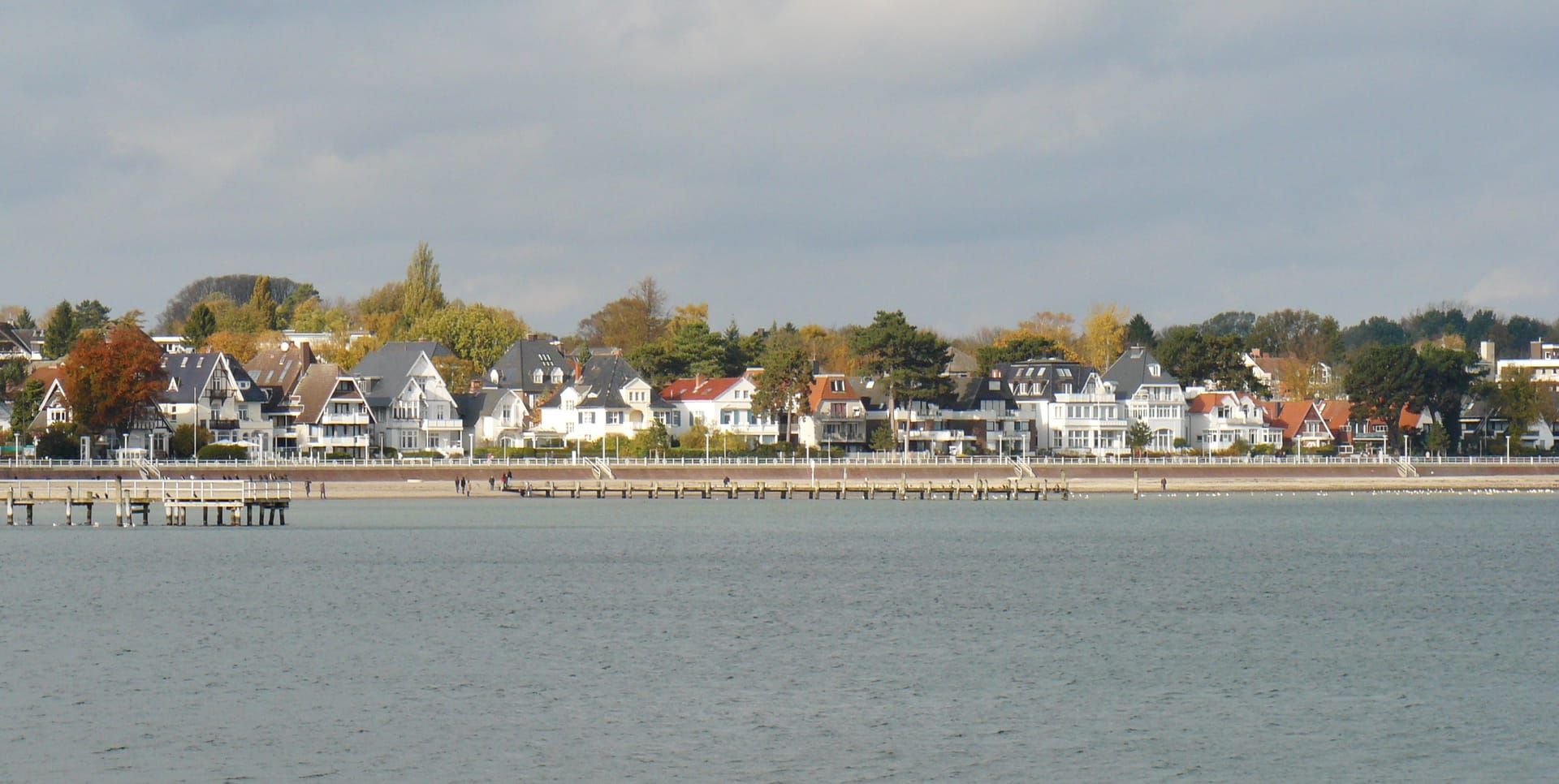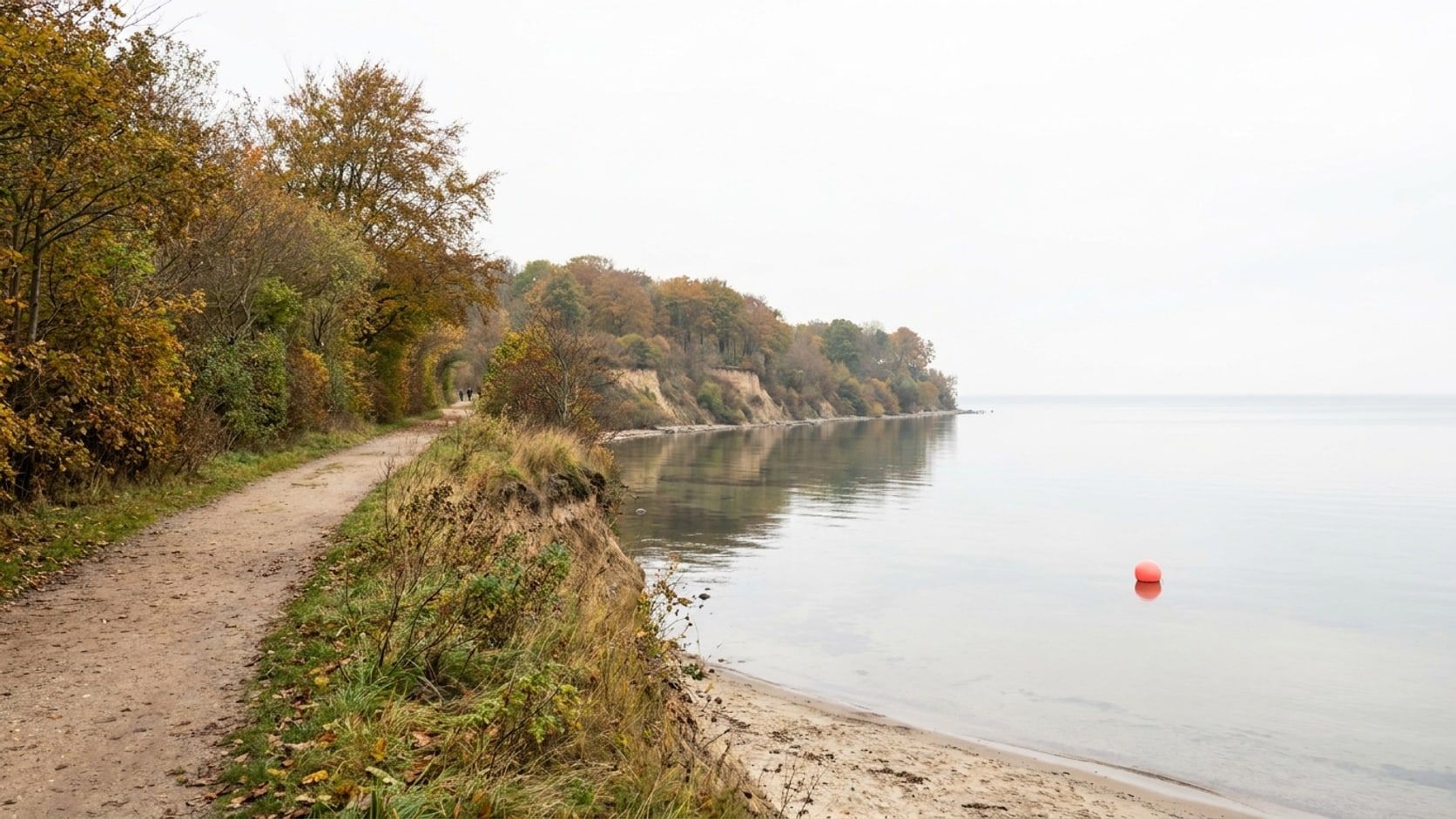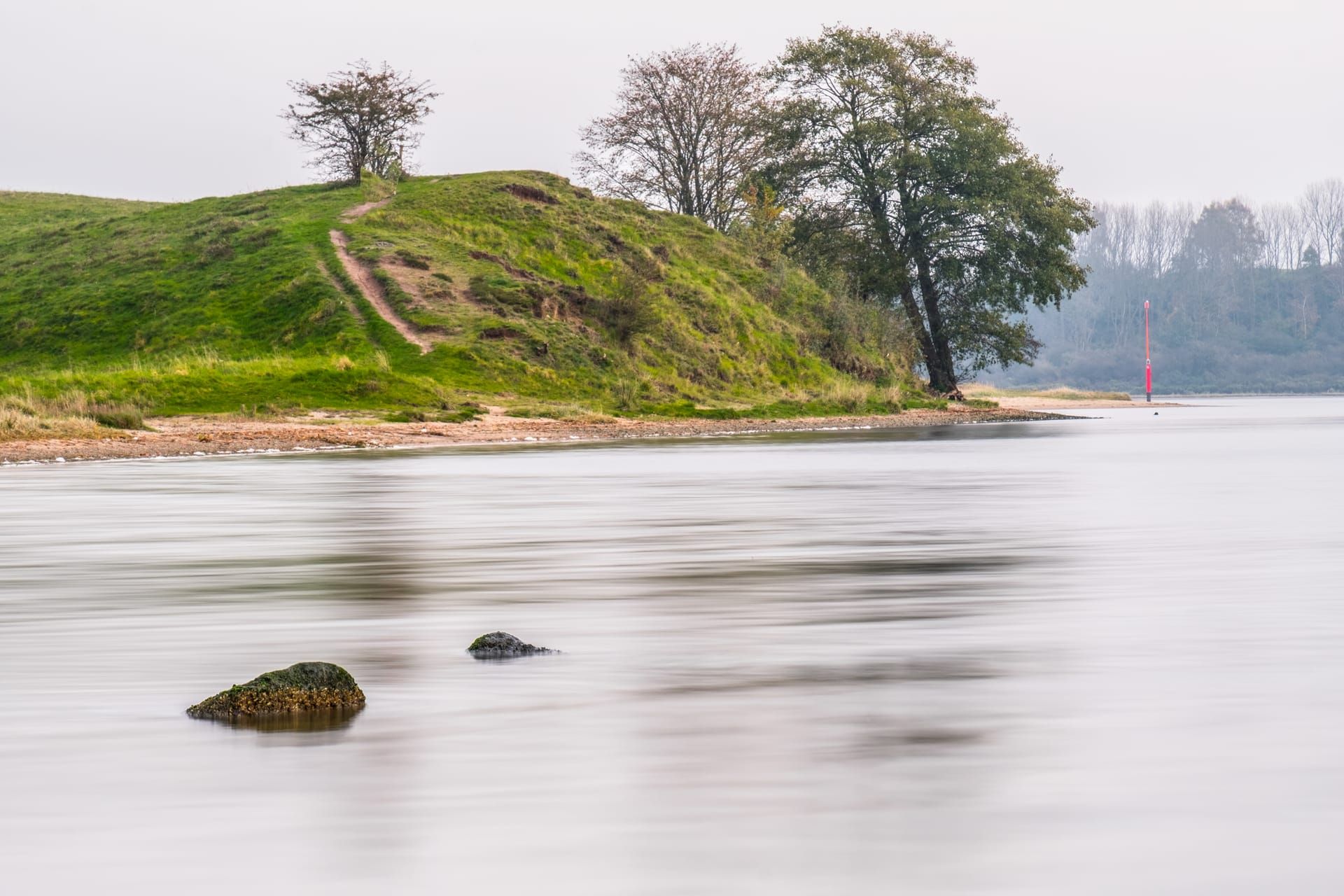
The Passat harbour on the Priwall with the masts of the barque Passat

Founded 1187 · resort since 1802 · Lübeck since 1913

The history of Travemünde

Travemünde was founded in 1187 at the mouth of the Trave and has belonged to Lübeck permanently since 1329. From a fortified border and customs post it grew, from 1802, into the second seaside resort on the German Baltic coast; in 1913 it lost its independence and became a district of Lübeck. This page tells the story in stages – with an interactive timeline from 1187 to today, each fact sourced.

Photo: Roland.h.bueb, Wikimedia Commons, CC BY 3.0

How Travemünde became what it is

Founding and the path to Lübeck (1187–1500)

Travemünde arose in 1187 at the strategically decisive mouth of the Trave – whoever controlled the estuary controlled the sea access to the rising trading city of Lübeck. In 1226 Lübeck secured rights to the place in an imperial charter of Frederick II, and the Priwall came to Travemünde. In 1329 Lübeck finally bought Travemünde; ever since, the town has been tied to the Hanseatic city.
Fortress, Napoleon and the rise of the resort (1500–1900)

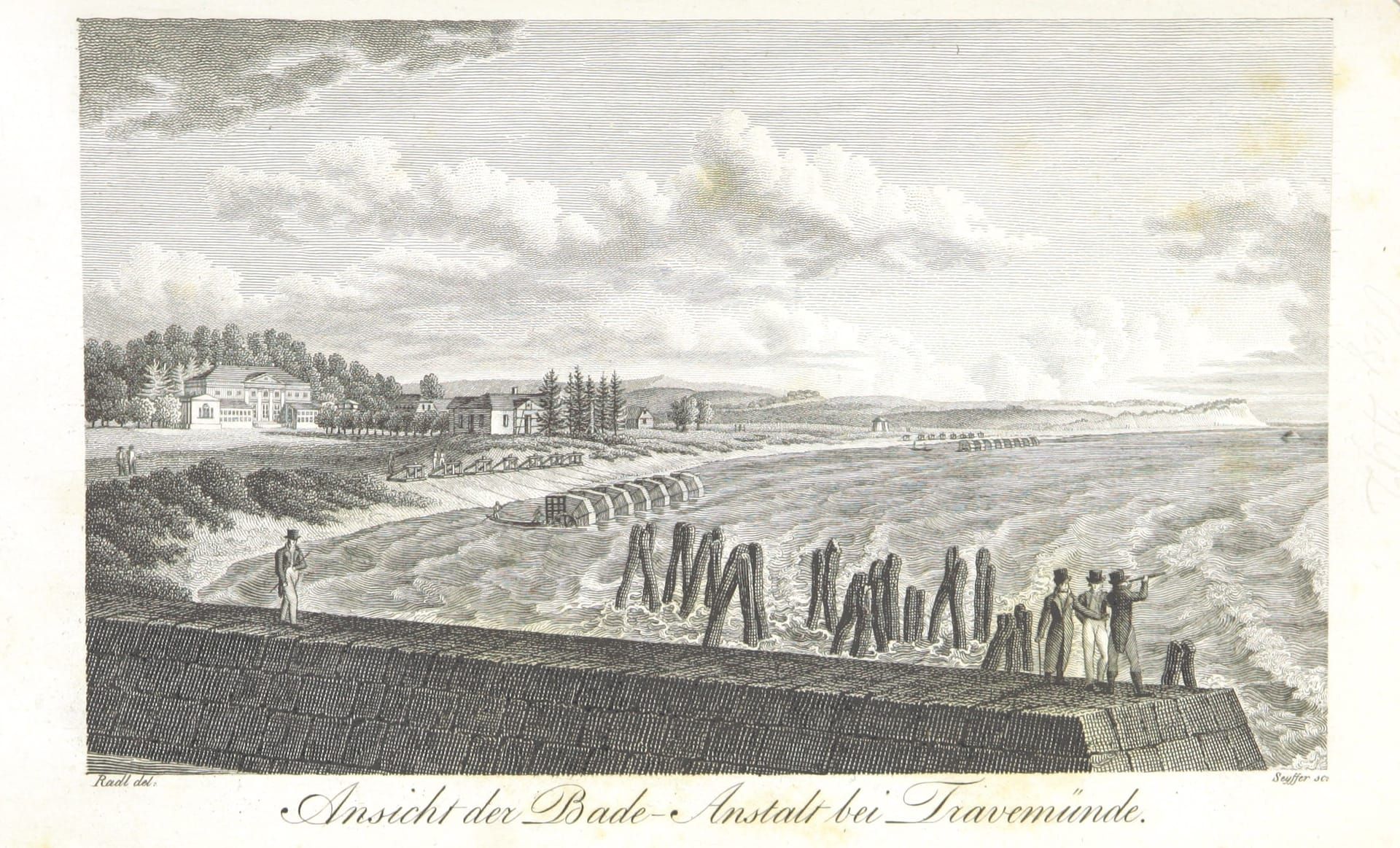
As a fortified border and customs post, Travemünde guarded the estuary for centuries and repelled Danish attacks in 1510; in 1539 Dutch masons built the lighthouse that still stands. The fortifications were razed in 1807, and from 1811 to 1813 the town belonged to Napoleon’s French Empire. In parallel its rise as a spa began: as early as 1802 Travemünde had been recognised as the second seaside resort on the German Baltic coast.

Imperial era and resort architecture (1872–1913)

With the railway from 1882, the Kaiser’s visit in 1894 and the 1.7-kilometre beach promenade (1898–1904), Travemünde became a fashionable resort. In 1911 the barque Passat was launched. In 1913 Travemünde was incorporated into Lübeck – and in the same period the Kurhaus, casino and Art Nouveau stations were built that still shape the townscape.

Border town, reunification and today (1913–present)

In 1933 the future chancellor Willy Brandt fled via Travemünde to Denmark. After 1945 the inner-German border ran right by the Priwall – the northernmost point of the Iron Curtain. Only in 1990 did that border fall, and the Priwall became freely accessible again. Since then Travemünde has kept changing: in 2004 the Old Lighthouse became a museum, in 2007 a cruise terminal was built, in 2012 the casino closed, and in 2020 the new Priwall promenade opened.

Travemünde in historical images

Coloured view of Travemünde from 1822
Travemünde around 1822 – engraving from “Views of the free Hanseatic city of Lübeck”, Heinrich Christian Zietz. The British Library, No restrictions
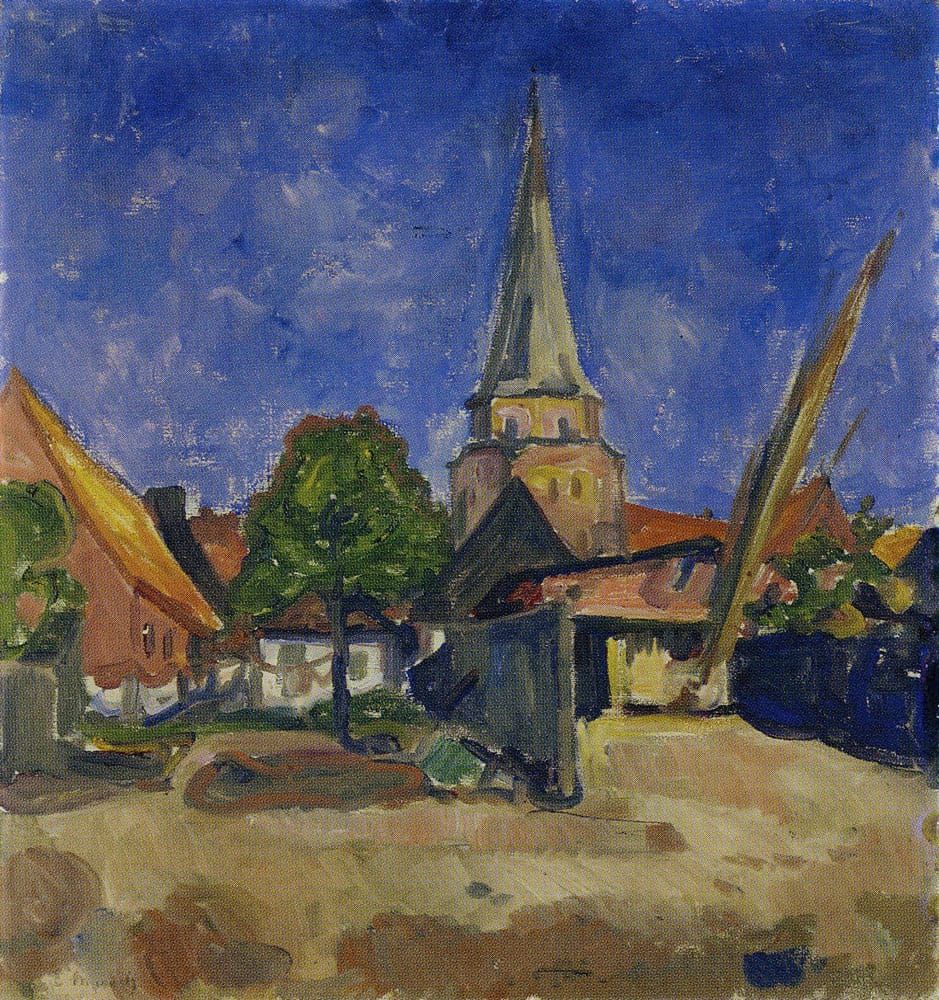
Painting of St Lawrence church in Travemünde by Edvard Munch, 1903
St Lawrence church, 1903 – painted by Edvard Munch during his stay in Travemünde. Edvard Munch, Public domain

Timeline: Travemünde from 1187 to today

Filter by era, expand individual years for detail.

  1. 1187
    Travemünde is founded at the mouth of the Trave.Details

    The town arises at the strategically vital estuary – the sea gate to the trading city of Lübeck.

  2. 1226
    An imperial charter secures Lübeck’s rights; the Priwall comes to Travemünde.Details

    Emperor Frederick II confirms Lübeck’s rights to the mouth of the Trave.

  3. 1329
    Finally bought by Lübeck.Details

    Travemünde becomes part of the Lübeck city-state – and remains so to this day.

  4. 1510
    A Danish attack is repelled.Details

    In the Danish-Lübeck war Travemünde defends the estuary.

  5. 1539
    Dutch masons build the Old Lighthouse that still stands.Details

    31 metres tall, eight storeys – to this day Germany’s oldest surviving lighthouse.

  6. 1802
    Recognised as a seaside resort – the second on the German Baltic coast.Details

    The beginning of the spa era that made today’s resort.

  7. 1807 The fortifications are razed.
  8. 1811–1813
    Travemünde belongs to the French Empire.Details

    The “Fort Travemünde” is built to enforce the Continental Blockade.

  9. 1827
    Lightning destroys the top of the lighthouse.Details

    The upper part burns down and is rebuilt in classicist style.

  10. 1872
    A severe Baltic storm surge causes damage.Details

    A flood mark on the Old Lighthouse still recalls it.

  11. 1882 The railway reaches Travemünde (harbour station).
  12. 1894 Kaiser Wilhelm II visits the resort.
  13. 1898–1904
    The 1.7 km beach promenade is built.Details

    20 metres wide – the fashionable promenade of the imperial era.

  14. 1911
    The barque Passat is launched at Blohm + Voss.Details

    As a cargo sailer she rounded Cape Horn 39 times and circled the globe twice.

  15. 1913
    Incorporation into Lübeck; Kurhaus, casino and stations are built.Details

    Travemünde loses its independence but gains its Art Nouveau resort architecture.

  16. 1922 The Old Lighthouse becomes a technical monument.
  17. 1933
    Willy Brandt flees via Travemünde to Denmark.Details

    A plaque in Jahrmarktstraße recalls the future chancellor’s escape in April 1933.

  18. 1935 Brodten, Teutendorf and Ivendorf are incorporated.
  19. 1949 A casino opens near the Kurhaus (until 2012).
  20. 1959 The Passat is listed and becomes a museum ship.
  21. 1972
    The Old Lighthouse is switched off.Details

    The new Maritim high-rise blocks its view of the sea.

  22. 1974
    A beacon on the Maritim high-rise takes over.Details

    114.7 m focal height on the 119 m building – in service since 30 April 1974.

  23. 1990
    The inner-German border at the Priwall falls.Details

    On 3 February 1990 the crossing on the beach opens for pedestrians, from April for vehicles – the Priwall is freely accessible again.

  24. 2004
    The Old Lighthouse opens as a museum.Details

    Since 2002 it has shown the history of lighthouse technology.

  25. 2007 A cruise terminal is built on the Vorderreihe.
  26. 2012 The casino closes; the Kurhaus becomes a hotel.
  27. 2019 The Maritim high-rise, too, is listed as a monument.
  28. 2020 The new Priwall promenade opens.
  29. 2024 Travemünde has 13,903 inhabitants (as of 31 Dec).

verified on 1 July 2026

Frequently asked questions about the history of Travemünde

How old is Travemünde?

Travemünde was founded in 1187 – making it over 830 years old. The present Old Lighthouse dates from 1539.

Since when has Travemünde belonged to Lübeck?

Lübeck secured rights to Travemünde as early as 1226 and finally bought it in 1329. In 1913 Travemünde was incorporated into the Hanseatic city of Lübeck as a district.

Since when has Travemünde been a seaside resort?

Since 1802 – when Travemünde was recognised as the second seaside resort on the German Baltic coast and grew into a spa town.

Was Travemünde once its own town?

Yes. Travemünde was an independent town until its incorporation in 1913, and for centuries before that a fortified border and customs post at the mouth of the Trave.

Did the inner-German border run through Travemünde?

Not through the town, but right by the Priwall: after 1945 the northernmost point of the inner-German border lay there. Only in 1990 did it fall – since 3 February 1990 the Priwall is freely accessible again.

Since when has Travemünde Week existed?

Since 1889: that year Hamburg merchants first held a sailing race off Travemünde, which grew into Travemünde Week.

What happened to Willy Brandt in Travemünde in 1933?

The future chancellor Willy Brandt fled via Travemünde by ship to Denmark in April 1933. A plaque in Jahrmarktstraße still recalls the escape.

Why was the Old Lighthouse switched off in 1972?

Because the new, 119-metre Maritim high-rise blocked the 31-metre tower’s view of the sea. In 1974 a beacon on the high-rise took over, with a focal height of 114.7 metres.

Keep exploring