Knowledge · brackish water · Bay of Lübeck
The salinity of the Baltic Sea
Anyone swimming in the Baltic tastes it: it is far less salty than other seas. Barely any salt crust on the skin, a mild taste in the mouth. Why that is – explained briefly and with evidence, with a look at the Bay of Lübeck off Travemünde.
How salty is the Baltic Sea?
The world’s oceans, and the North Sea too, contain around 35 grams of salt per litre of water. The Baltic is much milder: in Schleswig-Holstein the salinity is only about 15 to 17 grams per litre, and on the Polish coast just 8 to 10 grams. Roughly speaking, the western Baltic holds only about half as much salt as the North Sea – and even less further east.
Why so little salt? Two reasons
- A narrow door to the North Sea The Baltic is linked to the salty North Sea only through the narrow straits between Denmark and Sweden. Little salt-rich water flows in through this bottleneck.
- Plenty of fresh water from rivers At the same time, large rivers such as the Oder, Vistula and Neman feed in enormous amounts of fresh water, diluting the sea water ever further.
Little fresh salt coming in, plenty of fresh water flowing in – that balance is what gives the Baltic its low salt concentration.
Brackish water – between river and sea
This mix of salt and fresh water is called brackish water. That makes the Baltic one of the largest brackish seas in the world. And the mix is not the same everywhere: the salinity falls steadily from west to east – from the transition to the North Sea all the way into the innermost Gulfs of Bothnia and Finland, where the water is almost fresh.
What does that mean for swimming?
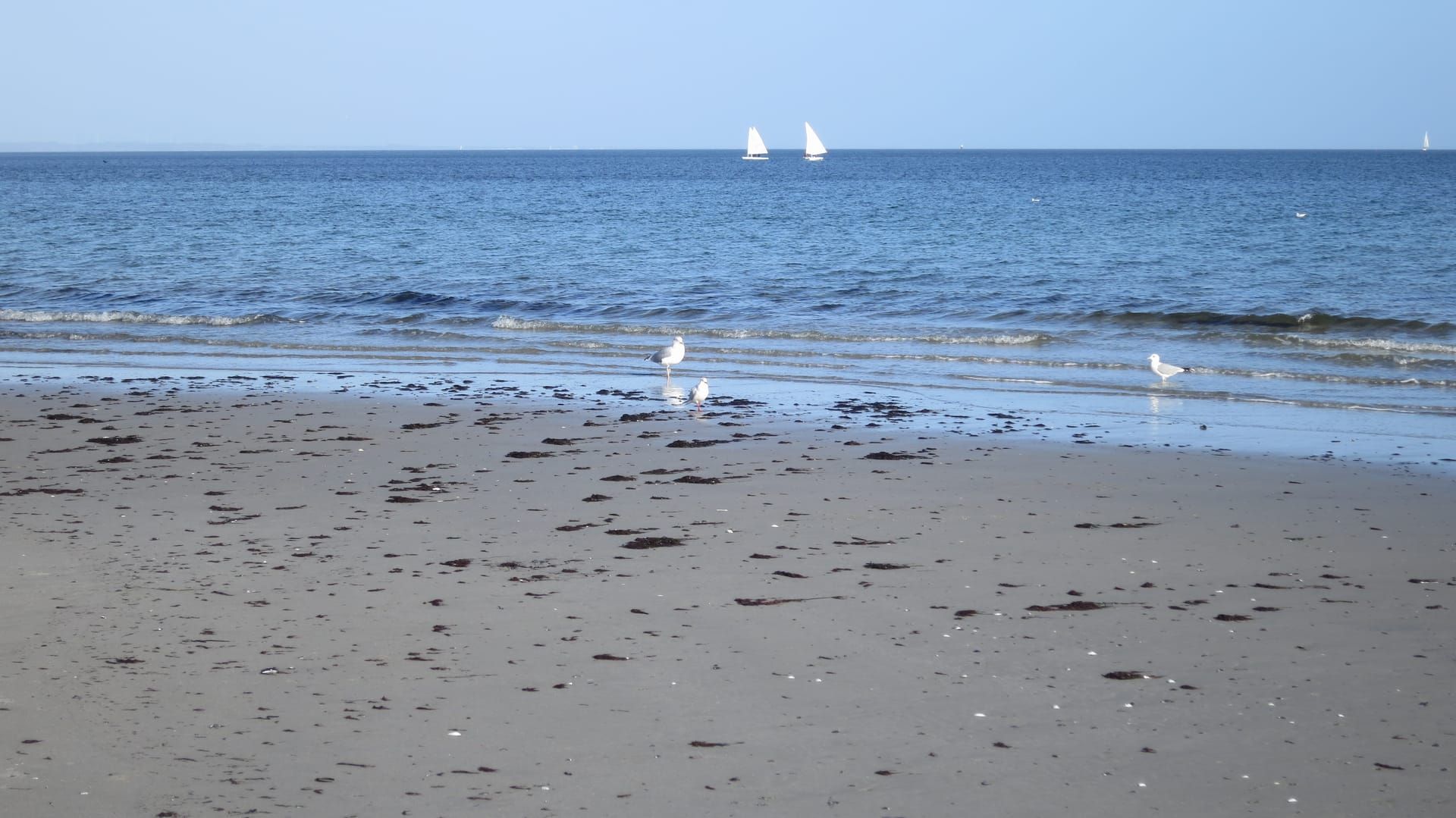
Less salt means less buoyancy: you do not float as easily in the Baltic as in salt-rich seas. In return, barely any salt crust is left on the skin after a swim, and the water tastes milder. The wildlife is special too – only species that cope with the low salinity live here. Some sea creatures also stay smaller in the Baltic than in the North Sea.
And off Travemünde?
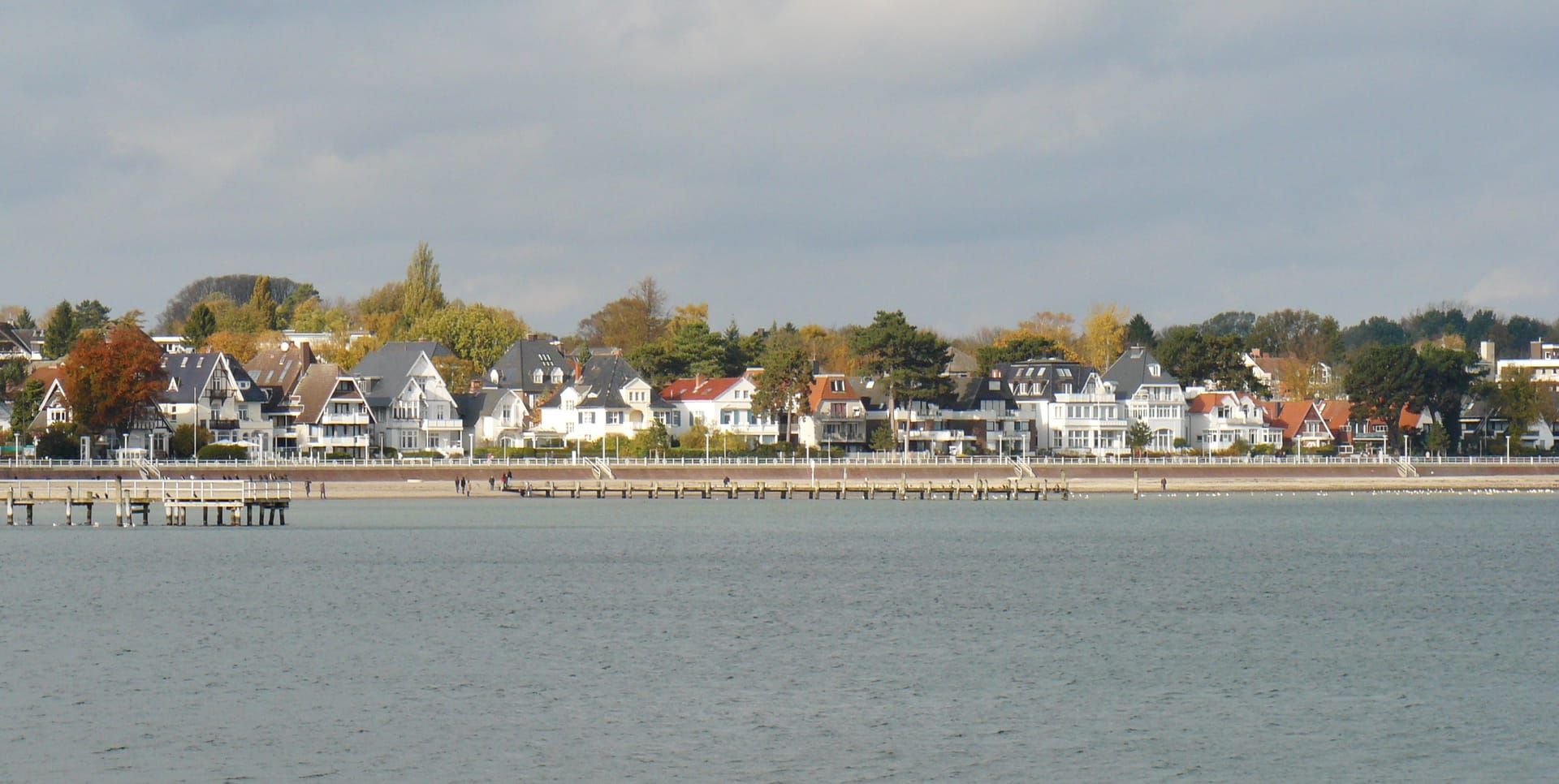
Travemünde sits on the western Baltic, in the Bay of Lübeck – here the salinity is higher than further east, but still only about half that of the North Sea. How warm the water is right now is shown by the water temperature; which sections there are and how the water quality looks are covered under beach and water.
Frequently asked questions about Baltic Sea salinity
How much salt does the Baltic Sea have?
About 15 to 17 grams of salt per litre in Schleswig-Holstein, and just 8 to 10 grams on the Polish coast. For comparison: the North Sea and the ocean contain around 35 grams per litre.
Why is the Baltic less salty than the North Sea?
Because it is linked to the North Sea only through the narrow straits between Denmark and Sweden, so little salt water flows in, and because large rivers such as the Oder, Vistula and Neman feed in a lot of fresh water.
What is brackish water?
Brackish water is a mix of salt and fresh water with a salinity between that of the sea and a river. The Baltic is one of the largest brackish seas in the world.
Does Baltic salinity decrease towards the east?
Yes. The salinity falls steadily from west to east – from the transition to the North Sea into the innermost Gulfs of Bothnia and Finland, where the water is almost fresh.
Can you float better in the Baltic than in the North Sea?
No, rather less well. Less salt means less buoyancy – the less salty Baltic supports the body slightly less than the saltier North Sea.