Tides · tidal range · water level
Ebb and flow in the Baltic Sea
Are there tides in the Baltic Sea? The short answer: yes, but barely noticeable. Why that is – and what really moves the water level off Travemünde.
Are there tides in the Baltic Sea?
Yes, but very weak. The difference between low and high tide – the tidal range – is about 10 to 15 centimetres in the Baltic Sea, in places around 30 centimetres. For comparison: on the North Sea it is 2 to 3.5 metres. That is why you barely notice the tides in everyday life on the Baltic.
Why are the tides so weak?
The Baltic is an almost enclosed inland sea. It is connected to the North Sea only through the narrow Danish straits. Because ebb and flow change roughly every six hours, not enough water can flow in and out through these bottlenecks in such a short time. The tidal wave stays outside, so to speak – and the inland sea rises and falls only minimally.
What really moves the water level: the wind
On the Baltic it is not the moon but the wind that makes the water level. Onshore wind and wind set-up can raise the water by more than a metre – up to a storm surge. Offshore wind, by contrast, lets the level drop. Air pressure plays a part too: a low raises the water level, a high pushes it down. These weather-driven swings are many times larger on the Baltic than the actual tidal effect.
What does this mean for Travemünde?
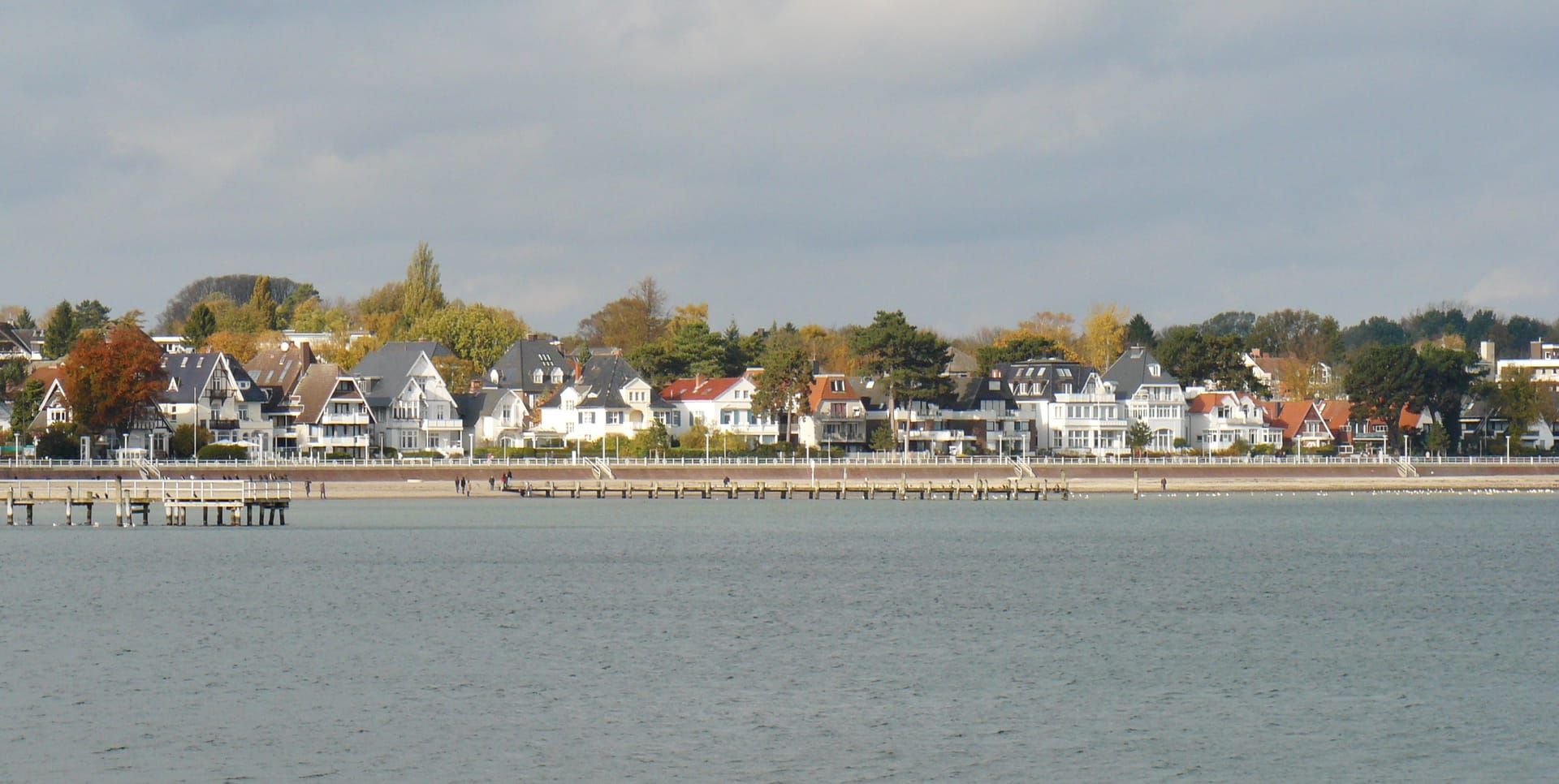
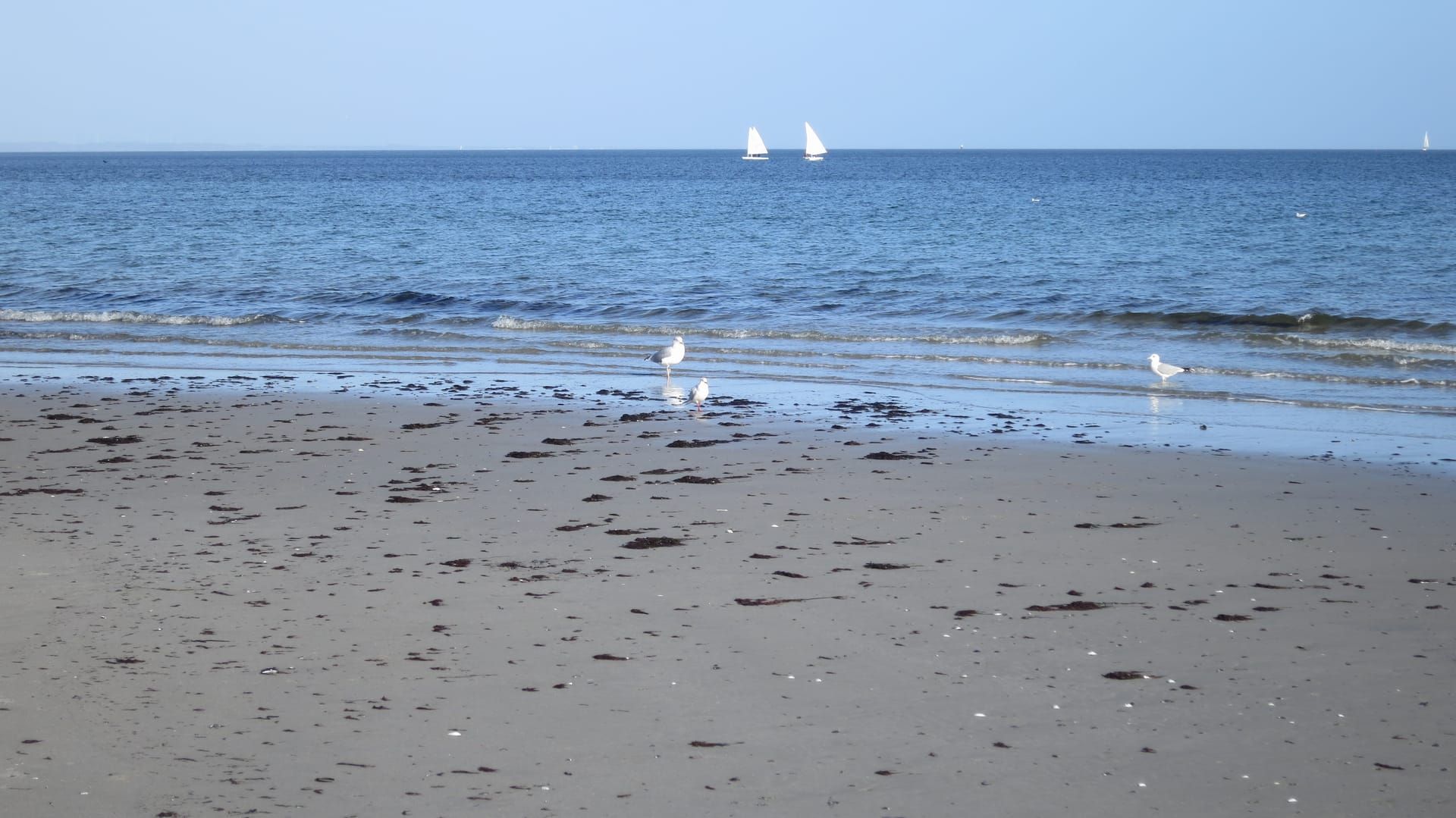
No mudflat walking as on the North Sea – off Travemünde there is always enough water for swimming, sailing and surfing. No one here has to keep an eye on the tides. What matters is the weather: the current gauge and the storm-surge forecast are shown on Water level.
Swimming and water temperature
Without disruptive tides, swimming in the Baltic mainly comes down to one number: the water temperature. The current live value and the forecast for the coming days are shown on Water temperature.
Frequently asked questions about tides in the Baltic Sea
Are there tides in the Baltic Sea?
Yes, but very weak. There are tides, but the difference between low and high water is only about 10 to 15 centimetres – so small that you barely notice it in everyday life.
How big is the tidal range in the Baltic Sea?
The tidal range – the height difference between low and high tide – is about 10 to 15 centimetres in the Baltic, in places around 30 centimetres. On the North Sea, by contrast, it is 2 to 3.5 metres.
Why does the Baltic Sea have almost no tides?
The Baltic is an almost enclosed inland sea, connected to the North Sea only through the narrow Danish straits. Through these bottlenecks not enough water can flow in and out within the six-hour tidal cycle.
What changes the water level on the Baltic Sea?
Mainly the wind. Onshore wind and wind set-up can raise the water by more than a metre (storm surge), offshore wind lets it drop. Air pressure also plays a part – these swings are larger than the actual tides.
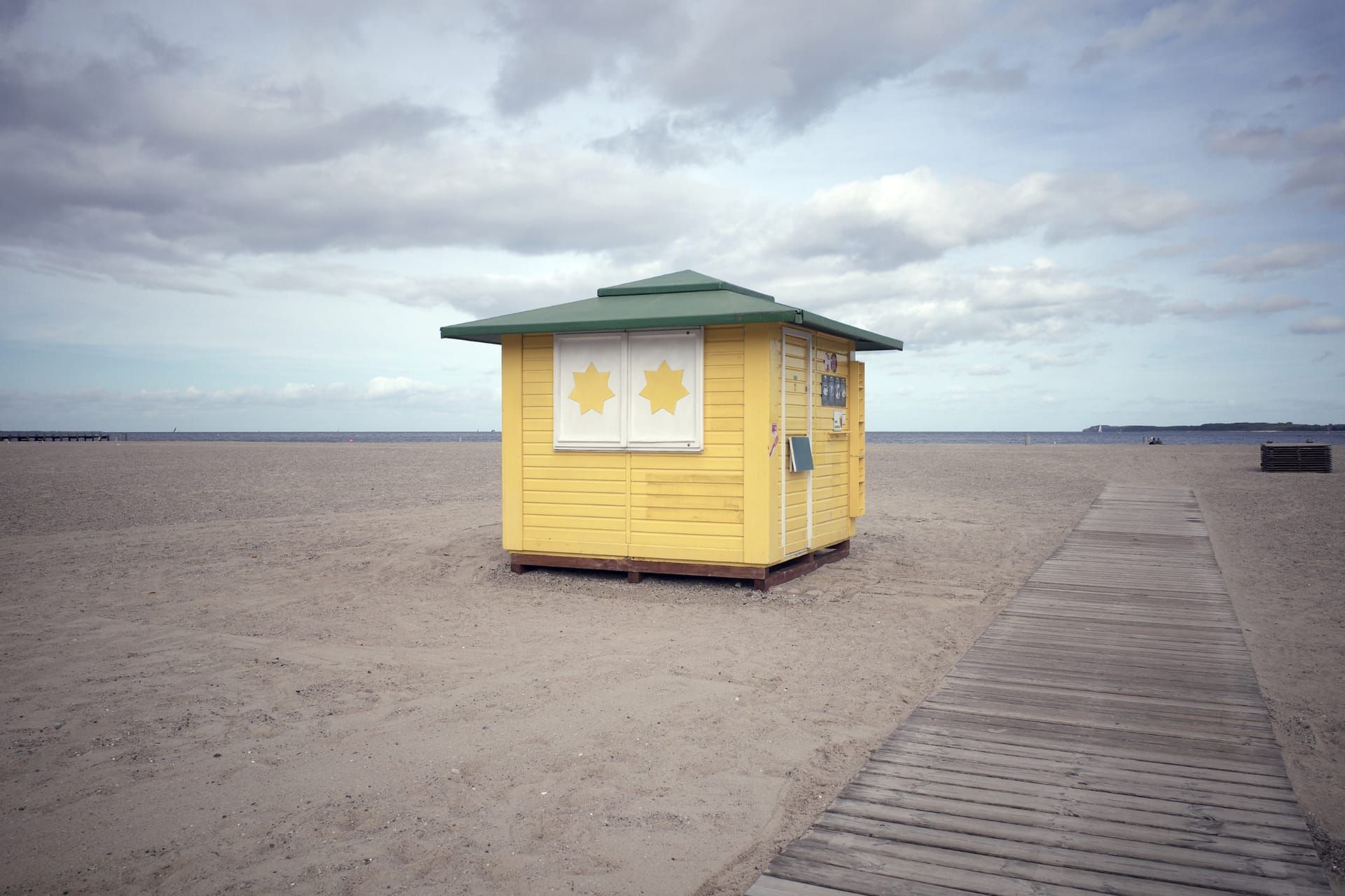
Can you walk on mudflats on the Baltic Sea?
No. Because the tides are so weak, no mudflats fall dry as on the North Sea. Off Travemünde there is always enough water for swimming, sailing and surfing.